Skip to content
Hybrick Logo

Category: Monthly Recap

HYBRICK in October

Hybrick in OCTOBER

Monthly Recap
Newsletter_October

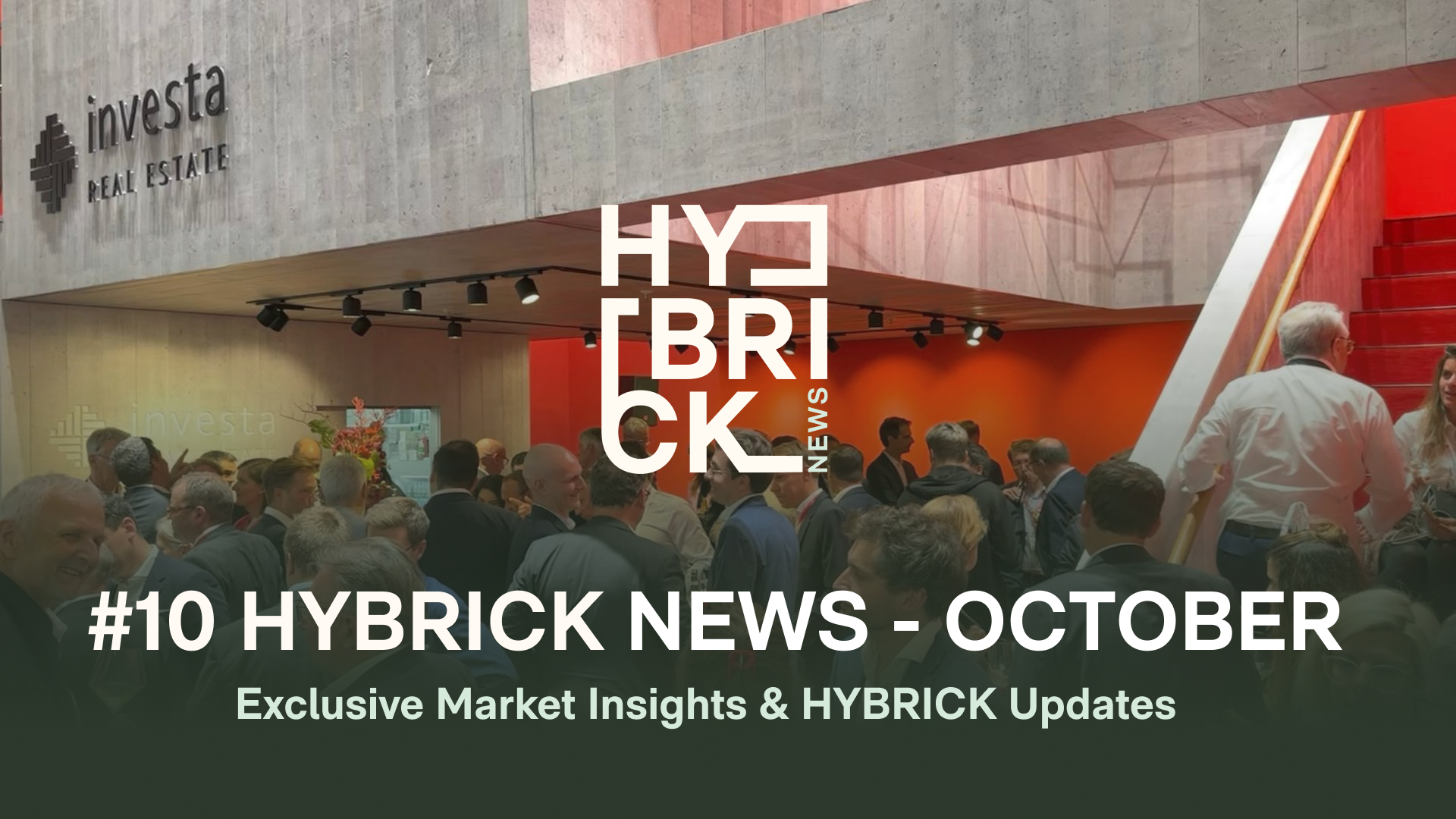
Foto: Investa Real Estate

Dear HYBRICK Community,

In October, we attended key industry events: Health Startups Networking, EXPO REAL, and CPHI Frankfurt. A recurring theme: specialized infrastructure as the key to innovation.

In our current newsletter, you’ll find:

  • HEALTH STARTUPS NETWORKING RECAP: Perspectives on Berlin’s Life Science Ecosystem

  • EXPO REAL 2025: Our Key Takeaways between AI, New Asset Classes, and Aperitifs

  • DEEP TECH NEEDS SPACE: Why Germany must invest in Infrastructure now

  • CPHI FRANKFURT: Manufacturing 5.0 and the Role of Real Estate

Visit us on our website for further insights or get in touch with us directly. We look forward to an equally productive September with continued project progress.

Best regards
Your HYBRICK Team


RECAP “HEALTH STARTUPS” NETWORKING
Perspectives for Berlin’s Life Science Ecosystem

In October, our team attended the networking event at Bayer Campus focused on Berlin’s health and biotech startup landscape. The event was hosted by Bettina von Streit (Bayer) and moderated by Dr. Kai Uwe Bindseil (Berlin Partner).

The highlights:

  • Alexander Nuyken (JLL): Market analysis on lab space demand in Berlin

  • Bettina von Streit: Strategic development of Bayer Campus

  • Dr. Marion Hitchcock: Presentation of the Bayer Cell & Gene Therapy Center – a crucial addition to Berlin’s life science infrastructure

  • Moritz Kränkl (Managing Director HYBRICK): Current market dynamics, alongside other key project developers

Our key takeaway: Berlin’s life science sector is growing steadily, evidenced by the number of lab employees, which has increased significantly over the past five years.

But growth only creates impact when the right infrastructure is in place: flexible, scalable, and innovation-ready.

Thanks to Bayer and Berlin Partner for bringing the community together!

Find more impressions here.


EXPO REAL 2025
Our Key Takeaways between AI, New Asset Classes and Aperitifs

Intense but inspiring days are behind us. We attended EXPO REAL (Messe München) as part of Investa Real Estate and had many positive conversations about the future of the industry.

The key insights:

  • Market momentum: Construction activity and project orders are picking up again. A wait-and-see approach is no longer an option. The sentiment was cautious but positive, especially regarding the federal government’s infrastructure plans.

  • Openness to innovation: Banks and investors are showing strong interest in credible alternative asset classes such as life science or innovative tech infrastructure.

  • AI discussion: The panel debate “AI and the Real Estate Industry” delivered a clear message: AI agents will transform the industry and replace junior-level tasks. But human collaboration will become even more important.

Our takeaway: Change is the new foundation for competitiveness. The industry is slowly moving from caution to action.

Our wine and music reception at the Investa booth was once again a highlight – a reminder that in a digitalized world, real connections still drive real business.

Find more impressions from EXPO REAL here.


DEEP TECH NEEDS SPACE
Why Germany needs to invest in Infrastructure now

“Deep tech is not just another technology – it is the foundation of our future competitiveness.” With this statement, BDI President Peter Leibinger summarizes a groundbreaking study by BDI and Boston Consulting Group: By 2030, the global deep tech potential reaches up to €8 trillion.

Germany has the prerequisites: World-class research, industrial depth, and engineering culture. The study’s central finding: This decade will determine whether Germany takes a leading role or falls behind.

Infrastructure as a critical bottleneck: Beyond financing and regulation, what’s missing above all is specialized infrastructure: prototyping facilities, validation platforms, GMP-compliant biotech spaces, production facilities, and sufficient energy capacity.

Berlin as a deep tech hub: Berlin joined the nationwide Digital Hub Initiative in 2024. At Marienpark Berlin, we’re creating the necessary infrastructure: from workshops for prototyping to scalable lab and production spaces in HYBRICK Berlin and HYBRICK X Berlin – supporting the journey from lab to market readiness.

Ready to grow with us?


CPHI FRANKFURT
Manufacturing 5.0 and the Role of Real Estate

Wolfgang attended this year’s CPHI in Frankfurt and experienced an industry with clear momentum across all segments.

The surprise: Instead of the expected AI hype, a different topic took center stage: Manufacturing 5.0 and the question of how smarter, more connected production ecosystems will shape the future of biopharma.

The key insight: Conversations weren’t just about technology, but also about physical infrastructure. Because smart manufacturing needs more than software – it needs spaces that enable flexibility, scalability, and collaboration.

This is exactly where HYBRICK comes in. As an “outlier” at events like these, we bring a different perspective: What do spaces need to look like for life science innovation to actually happen?

The conversations with familiar faces and new contacts made it clear: The industry is facing major transformations – and the right spaces are part of the solution.

Discover more impressions from CPHI Frankfurt.


WHAT’S NEXT?
We’ll keep you updated.

Thank you for your interest in the HYBRICK newsletter. We look forward to your feedback, suggestions, and ideas. Feel free to schedule a meeting with us anytime.

Want to learn more? Click here.
Alle Updates direkt auf LinkedIn verfolgen und mitdiskutieren.

HYBRICK in September

Hybrick in september

Monthly Recap

Newsletter_September

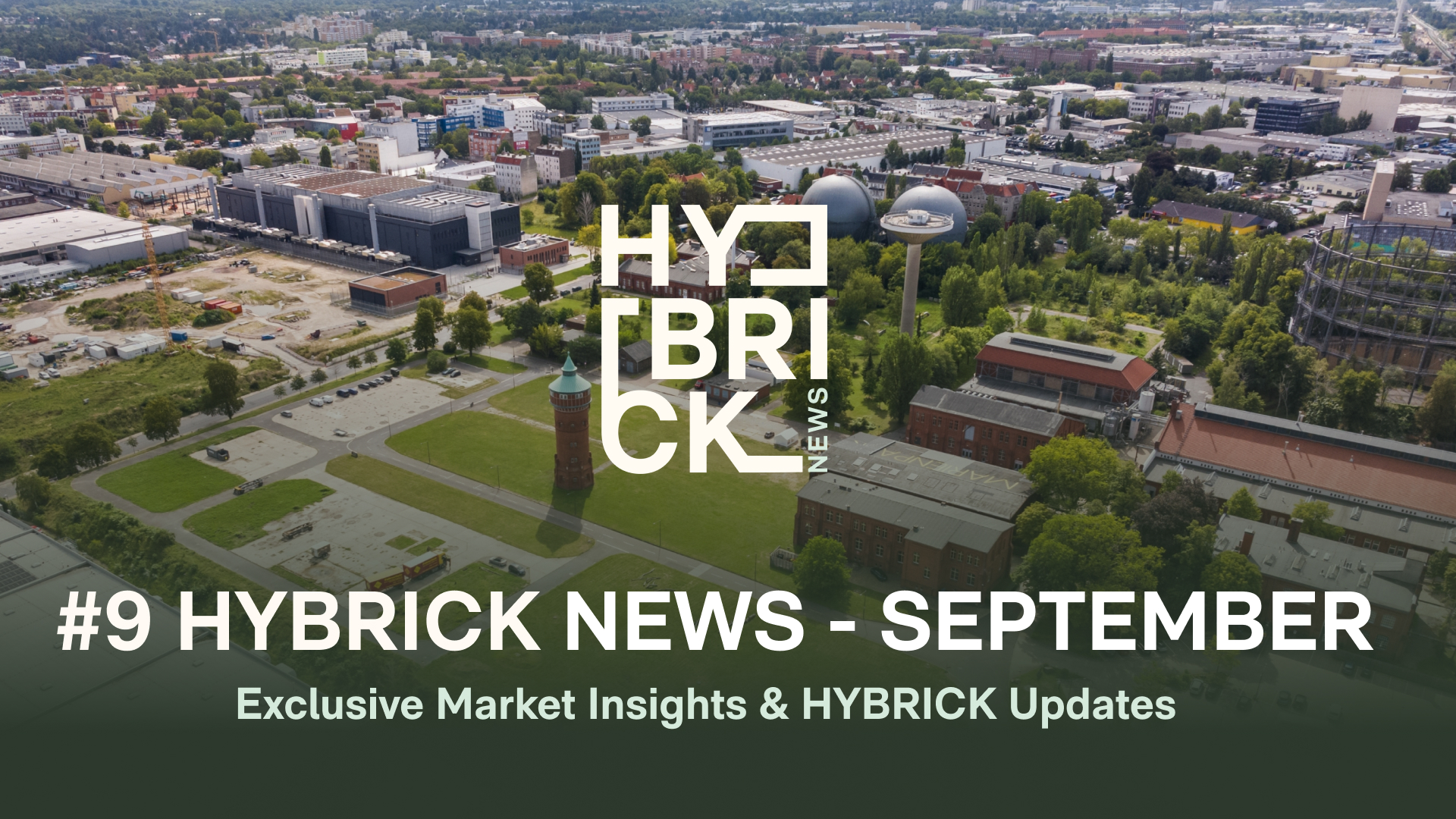
Foto: Marienpark 

Dear HYBRICK Community,

In September, we set important milestones: the official cooperation with ringberlin for South Berlin’s innovation district, new workshop units for hardware-driven startups, and insights into successful tech ecosystems. We also came together personally – at Oktoberfest in Munich with our team, Investa, and partners.

In our current newsletter, you’ll find:

FLEXIBLE. CREATIVE. COLLABORATIVE: We’re launching the “Workshops” for hardware-driven startups

DEEP-TECH-CLUSTER-ANALYSIS: Four exciting insights about Brainport Eindhoven

NEW COOPERATION: ringberlin and Marienpark Berlin on the path to becoming a #Zukunftsort

O’ ZAPFT IS: HYBRICK at Oktoberfest

Visit our website for further insights or get in touch with us directly. We look forward to an equally productive October with continued project progress.

Best regards
Your HYBRICK Team


FLEXIBLE. CREATIVE. COLLABORAIVE
We’re launching the “Workshops” for hardware-driven startups

Next to our Launch Labs in the historic IM16 building, three independent workshop units are taking shape—purpose-built for hardware-driven startups that require office and production space under one roof:

144–174 m² of flexible space per unit that seamlessly integrates workspace and production areas

Multi-level room-in-room modules enabling flexible expansion from 117 m² to up to 647 m² total

Transparent structures fostering communication, collaboration, and cross-team inspiration

Whether you need Launch Labs (lab + office) or workshop units—both formats enable small teams with big ideas to start compact and scale on our campus as they grow.

Possible Move-in: Q2/2026

Learn more about the new workshop units.


DEEP-TECH-CLUSTER-ANALYSIS
Four exciting insights about Brainport Eindhoven

What makes tech hubs successful? As part of Marienpark Berlin, we analyze thriving clusters to understand what works.

Brainport Eindhoven deserves closer examination: €2.5 billion in government investment (2024), #7 globally in startup ecosystems, home to ASML, NXP Semiconductors, and Signify.

Our four key insights:

Complete value chain in one place: The High Tech Campus consolidates 240 companies and 13,000 researchers on 1.3 km²—spanning fundamental research to large-scale manufacturing.

A triple helix that works: Government, industry, and science collaborate closely. The Brainport Partner Fund invests €219 million strategically in infrastructure, talent development, and equal opportunity.

Global talent, local ecosystem: Ranked 3rd worldwide in patents per resident, 150+ nationalities, 90% speak English—thinking globally, building locally.

Long-term vision with measurable milestones: Initiatives spanning 15-20 years build sustainable research capacity, infrastructure, and deep tech as well as life science frameworks.

The bottom line: Successful deep tech ecosystems require sustained government support, shared industry investment, and geographic concentration. Principles we consider essential for Marienpark Berlin as well.

Read the full cluster analysis on Brainport Eindhoven.


NEW COOPERATION 
ringberlin and Marienpark Berlin on the path to becoming a #Zukunftsort

Together with Matthias Menger (CEO ringberlin) and Christian Meine (CEO Marienpark Berlin), a 400,000m² innovation district is taking shape where science, business, technology and creativity converge.

What’s already in place:

MotionLab.Berlin is building Europe’s largest makerspace (17,000 m²) on the ringberlin campus for prototyping and production, focused on hardware and deep tech.

Real-world testing environments like the Human Centered Security Lab and the Circular Construction Living Lab enable companies to validate innovations under real conditions.

Strong community with partners including KI Park, Handwerkskammer Berlin, DATA2HEAT, MGA Mobility, BIZH, Forschungscampus Mobility2Grid, and BrewDog Brewery—fostering cross-industry knowledge exchange.

HYBRICK is developing hybrid lab and production spaces for life science and hardware-intensive tech companies at different growth stages.

The vision: A leading innovation hub where openness, collaboration, and experimentation shape the culture—an ecosystem that’s explorable today and will continue to grow.

Learn more about the cooperation and South Berlin’s innovation district.


O’ ZAPFT IS 
HYBRICK at Oktoberfest

Last week, our team, colleagues from Investa, and business partners gathered for the traditional Oktoberfest at the historic Schottenhamel Festhalle.

In a relaxed atmosphere, we had the opportunity to connect beyond the day-to-day and celebrate together.

Moments like these strengthen the personal connections that form the foundation for successful collaboration.

Thank you to everyone who joined us.


WHAT’S NEXT?
We’ll keep you updated.

Thank you for your interest in the HYBRICK newsletter. We look forward to your feedback, suggestions, and ideas. Feel free to schedule a meeting with us anytime.

Want to learn more? Click here.
Alle Updates direkt auf LinkedIn verfolgen und mitdiskutieren.

HYBRICK in August

Hybrick in august

Monthly Recap

Hybrick im August

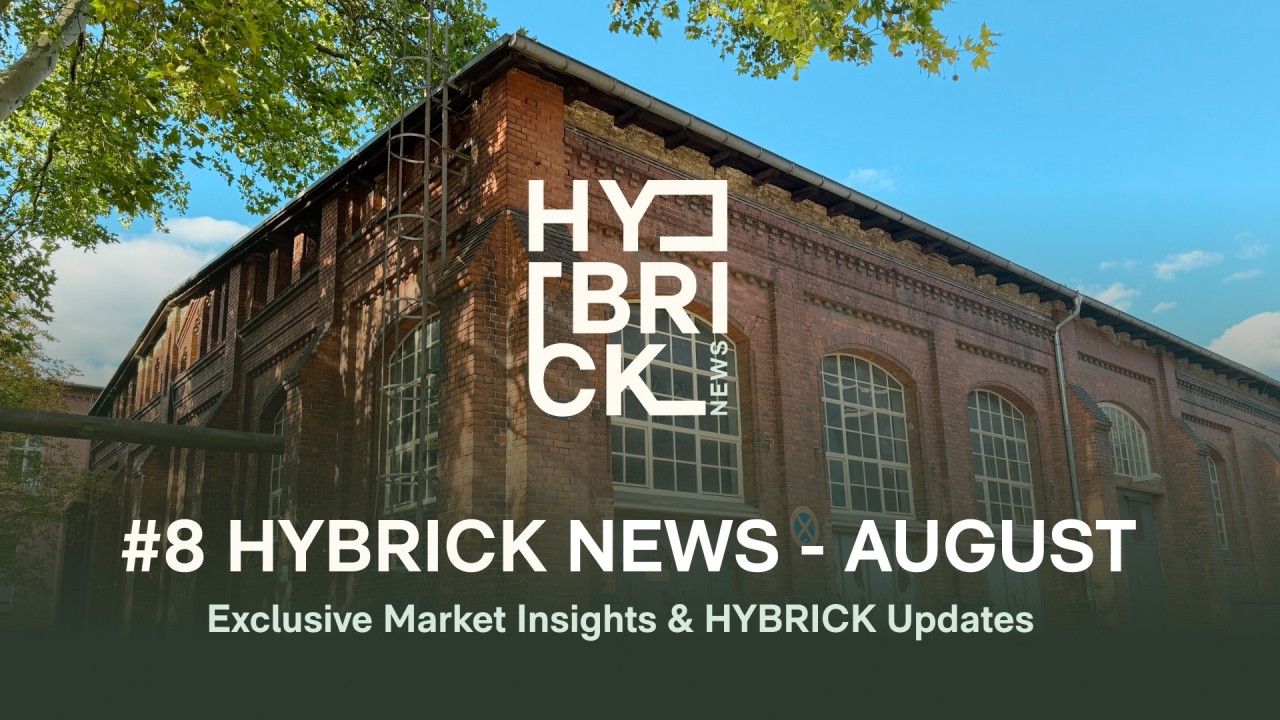
Foto: Marienpark 

Dear HYBRICK Community,

In August, we put our space concepts into practice. With first construction progress, new insights, and solution approaches for our customers’ challenges.

In our current newsletter, you’ll find:

STEP ONE LAUNCH LABS: First Construction Progress at Marienpark

LAB, OFFICE AND PRODUCTION UNDER ONE ROOF: Three Reasons Why Hybrid Spaces Work Better

BASEL VS. BERLIN: Three Learnings from Europe’s Leading Life Sciences Hub

FLEXIBLE WORKSPACES: How We Build Flexibility Into Every Floor Plan

Visit us on our website for further insights or get in touch with us directly. We look forward to an equally productive September with continued project progress.

Best regards
Your HYBRICK Team


STEP ONE LAUNCH LABS
First Construction Progress at Marienpark

Work on our Launch Labs has begun. The historic industrial buildings at Marienpark are being transformed into flexible lab spaces for Life Science and Deep Tech start-ups.

From old walls to new possibilities: The first step is complete: Demolition of the IM 16 areas has begun to create space for three individual laboratory units and flexible office areas. 170 m² of outdated industrial space is being transformed into state-of-the-art laboratory infrastructure.

Three labs, endless possibilities: Laboratory units L01-L03 (17-65 m²) will be equipped with high air exchange rates, natural light, and optimal space utilization – perfect for growing Life Science and Deep Tech companies.

Start small, scale big: The concept behind it: Flexible spaces that grow with you. Lab areas for R&D work, offices for meetings and writing tasks. When you’re ready to expand, simply move to HYBRICK Berlin – on the same campus.

What happens next

Demolition will continue, followed by interior construction and technical fit-out. We’ll keep you updated on every step of progress.

Available from Q1 2026 – Interested? Contact us.

Find more impressions of the current Launch Labs spaces here.


LAB, OFFICE AND PRODUCTION UNDER ONE ROOF
Three Reasons why Hybrid Spaces work better

Most Life Science companies spread their operations across multiple locations, with labs, offices, and production separated. This leads not only to inefficiencies and communication gaps but also wastes innovation potential. We questioned the standard and chose a different path, because instead of separation, we focus on collaboration.

Three reasons why hybrid spaces work better:

Smart Space Utilization: Multipurpose areas and flexible layouts eliminate wasted space and optimize operational costs for growing Life Science companies.

Accelerated Knowledge Transfer: Physical proximity between research, development, and production teams shortens innovation cycles and enables real-time problem-solving.

Resource Efficiency & Sustainability: Shared infrastructure and integrated energy systems significantly reduce environmental impact and operational costs.

Want to see how it looks?

Take a look at our Hybrick Berlin 3D model and discover our space layouts.


BASEL VS. BERLIN
Three Learnings from Europe’s Leading Life Science Hub

Basel’s 150-year pharmaceutical tradition has created Europe’s most productive Life Sciences ecosystem. With Novartis, Roche, and hundreds of biotech companies in close proximity, Basel sets the standard in Europe. But what makes Basel so successful – and how can Berlin leverage these strategies?

Geographic Concentration & Tax Incentives: Unlike Basel’s unified approach, Berlin competes with other German regions. Focusing on Berlin-Brandenburg with specialized Life Sciences zones could create similar agglomeration effects through simplified approvals and tax advantages.

Regulatory Efficiency: Unified approval procedures for clinical trials and fast-track processes for cell and gene therapies could position Berlin as a European regulatory leader.

Specialized Financing: Basel’s expert VC ecosystem keeps promising companies local through all growth phases by providing specialized capital and sector expertise. Berlin needs similarly concentrated investment strategies, including dedicated Life Sciences funds for Series B+ companies and coordinated federal-state-city initiatives that prevent relocations due to capital needs.

Conclusion: Success requires sustained political commitment over pharmaceutical development timescales (10-15 years) and coordinated intervention at all political levels to overcome Basel’s structural advantages.

More information in the Post.


FLEXIBLE WORKSPACES
How We Build Flexibility Into Every Floor Plan

Hybrid buildings deliver efficiency, sustainability, and faster knowledge transfer, but the real challenge is space layout. These environments only work long-term with flexible floor plans, so labs, offices, and workspaces can be adapted without extensive renovation work.

Our solution for maximum flexibility:

Precise Grids: A dual structural grid of 1.35 m × 1.20 m, aligned with a 0.90 m façade grid, enables modular changes with minimal disruption.

Façade-Ready Partitions: Partition walls can be positioned directly at the façade, enabling clean module sections.

Calibrated Building Depths: Two complementary wings and depths support both deep lab zones and lighter office areas.

Operable Windows: Every smallest rentable unit features an operable window – for better comfort and planning freedom.

Switch Typologies: Standardized lab and office layouts use the same grid, so conversions can be done quickly and gently.

Tech Reusability: Technical components can be reused by different tenant types.

The result: Spaces that grow with your ideas. When your team expands, your focus changes, or new projects emerge, the building simply adapts – without months of renovation work or high additional costs.

Let’s develop your ideal space layout together.

Discuss your specific requirements and growth plans with us.


WHAT’S NEXT?
We’ll keep you updated.

Thank you for your interest in the HYBRICK newsletter. We look forward to your feedback, suggestions, and ideas. Feel free to schedule a meeting with us anytime.

Want to learn more? Click here.
Alle Updates direkt auf LinkedIn verfolgen und mitdiskutieren.

HYBRICK in July

Hybrick in july

Monthly Recap

Newsletter_Juli

Foto: Marienpark

Dear HYBRICK Community,

In July, we took a look behind the scenes of innovation – more precisely at the places where it happens, how it happens – and what the Berlin ecosystem still needs. In our current newsletter, you’ll find:

VISITING MOTIONLAB: When start-ups, artists, and innovators work side by side

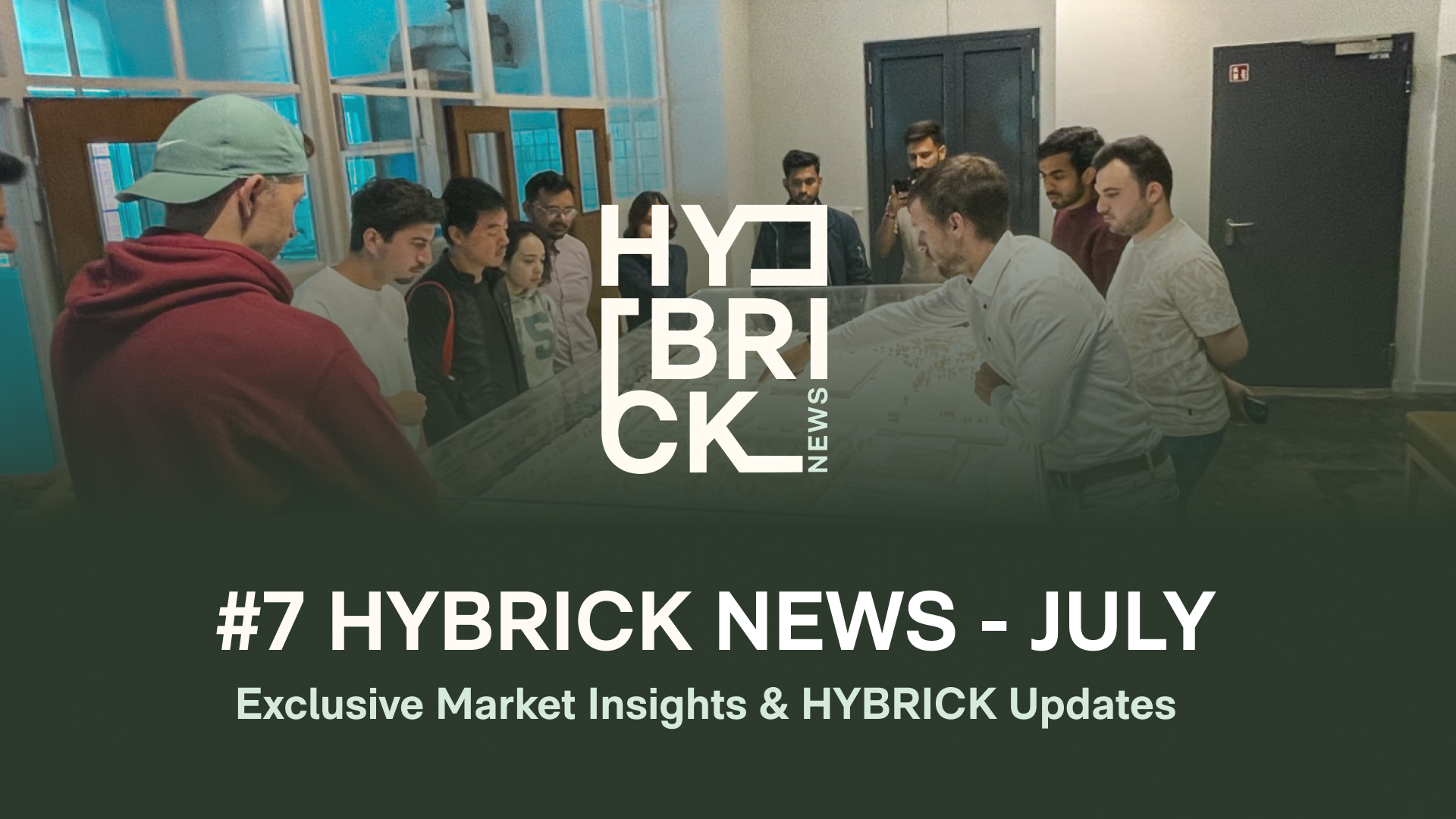
NEXT-GEN AT MARIENPARK: International students explore Marienpark

LAB SPACE FOR START-UPS: Berlin’s space dilemma and new solution approaches

A MORNING WITH DR. JULIA MESSNER: What does a workday at HYBRICK Berlin really look like?

Visit us on our website for further insights or get in touch with us directly. Despite the well-known summer lull, we are looking forward to an equally productive August with further project progress.

Best regards
Your HYBRICK Team


VISITING MOTION.LAB BERLIN
When start-ups, artists, and innovators work side by side

On 4,150 m², hardware start-ups, developers, and creatives work side by side in the makerspace for rapid prototyping. At first glance, everything seems a little chaotic. But on closer inspection, there’s a system that enables innovation in the first place.

  • Various space concepts: open space, private offices, and “Maker Garages”

  • 23 “Maker Garages” with high-end machines

  • Flexible booking from day passes to monthly subscriptions

  • A community shaped by workshops, accelerators, and spontaneous collaborations

And the success speaks for itself: MotionLab has established itself as a leading innovation and coworking hub for hardware start-ups in Berlin. They are currently even expanding to almost 17,000 m² at Schindler Campus near Marienpark Berlin.

Conclusion: Admittedly, at first glance the space can seem a little chaotic.
But this extraordinary atmosphere apparently unleashes extraordinary creativity and innovation – something that strongly inspires our own concepts.

See for yourself what makes these spaces so special.

Thanks for the tour, MotionLab.Berlin. We’ll see you soon in the neighborhood!


NEXT-GEN AT MARIENPARK
International students explore Marienpark

We also had the opportunity to present our spaces to students from bbw University. An international group of Master’s students from the “Sustainability and Smart Building Technology” program at bbw Hochschule joined us for an exclusive tour of Marienpark Berlin.

Organized by Prof. Dr. Christian Simanek, they explored how the historic former gasworks site is being transformed into an Innovation Campus with established companies, start-ups, and think tanks.

The tour led through historic brick buildings, the planned HYBRICK projects, and campus facilities such as BrewDog Brewery, which already welcomes science-preneurs today and will continue to do so in the future.

Many thanks again to Prof. Dr. Christian Simanek and the bbw University team for the visit. The direct exchange between theory and practice makes such campus visits valuable and enriching – both for the students and for us.

Discover more impressions from the campus tour.


LAB SPACE FOR START-UPS
Berlin’s space dilemma and new solution approaches

Start-ups are known to begin small – in spaces at nearby universities or other small and affordable offices. But as soon as they grow, space becomes a problem: Finding well-equipped, affordable, and flexible areas at the same time is difficult in Berlin.

As reported in the current JLL Life Sciences Real Estate Report:

  • Public university spaces are insufficient for larger teams and extended research requirements

  • Rental options are often scarce, inflexible, and not tailored to lab needs

  • Own real estate is too expensive and too risky for most start-ups

But new frameworks are emerging: Berlin is expanding its life sciences infrastructure – and we are part of this movement with the Hybrick Launch Labs at Marienpark – the concept:

  • Small, fully equipped lab spaces (22–65 m²) with shared office areas

  • Transparent cost structure

  • High-quality equipped laboratories configurable to S1/S2 standards, from high air exchange to natural light

Start-ups can thus begin small, with minimal risk – and upon success, scale directly on campus into larger HYBRICK buildings while continuing to benefit from Live, Work & Play advantages.

Available from Q1 2026.


A MORNING WITH DR. JULIA MESSNER
What does a workday at HYBRICK Berlin really look like?

One building, many stories: At Marienpark Berlin, entrepreneurs meet start-ups, researchers meet developers. We take you behind the scenes and show different perspectives from our ecosystem.

Starting with Dr. Julia Messner, Head of Clinical R&D at MedLine Diagnostics. rom the first cup of coffee to strategy sessions and spontaneous collaborations – follow her through a typical morning on campus.

Curious about her day? Read the full story here.


WHAT’S NEXT?
We’ll keep you updated.

Thank you for your interest in the HYBRICK newsletter. We look forward to your feedback, suggestions, and ideas. Feel free to schedule a meeting with us anytime.

Want to learn more? Click here.

Alle Updates direkt auf LinkedIn verfolgen und mitdiskutieren.